Archives
- 2026-09
- 2026-08
- 2026-07
- 2026-06
- 2026-05
- 2026-04
- 2026-03
- 2026-02
- 2026-01
- 2025-12
- 2025-11
- 2025-10
- 2025-09
- 2025-03
- 2025-02
- 2025-01
- 2024-12
- 2024-11
- 2024-10
- 2024-09
- 2024-08
- 2024-07
- 2024-06
- 2024-05
- 2024-04
- 2024-03
- 2024-02
- 2024-01
- 2023-12
- 2023-11
- 2023-10
- 2023-09
- 2023-08
- 2023-07
- 2023-06
- 2023-05
- 2023-04
- 2023-03
- 2023-02
- 2023-01
- 2022-12
- 2022-11
- 2022-10
- 2022-09
- 2022-08
- 2022-07
- 2022-06
- 2022-05
- 2022-04
- 2022-03
- 2022-02
- 2022-01
-
Mechanisms implicated in antinociception by A R agonists
2024-12-16

Mechanisms implicated in antinociception by A3R agonists in neuropathic pain are summarized in Box 3. Cellular transduction mechanisms for A3Rs include inhibition of cyclic AMP, PKA via Gαi, interactions with PLC/IP3/DAG and signaling via Gαi and Gαq, and interactions with PI3K/MEK/ERK via βγ subuni
-
There are several reports about the expression of AChRs
2024-12-13
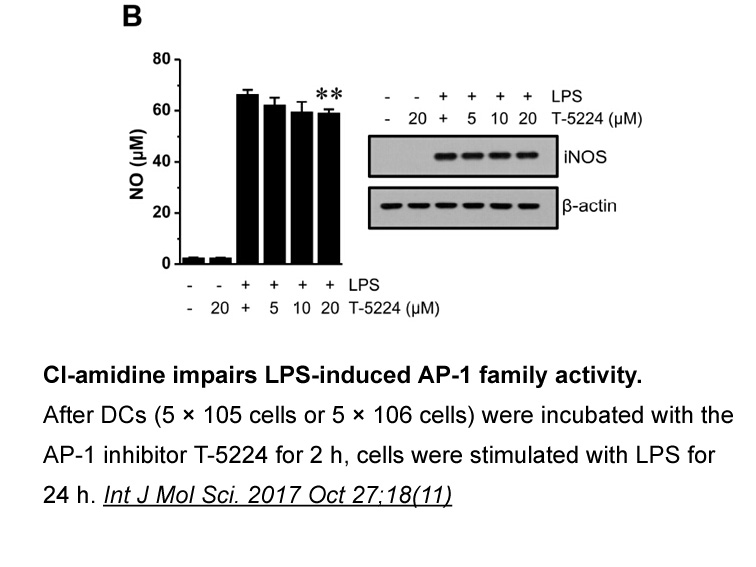
There are several reports about the expression of AChRs and their modulation to osteogenic factors in osteoblasts (Rothem et al., 2011, Sato et al., 2010, Walker et al., 2001). The normal osteocytic MLO-Y4 Adox expressed multiple subtypes, which was demonstrated by the detection of M1, M2, M5, β2,
-
Griseofulvin Our analysis has devoted limited attention to
2024-12-13
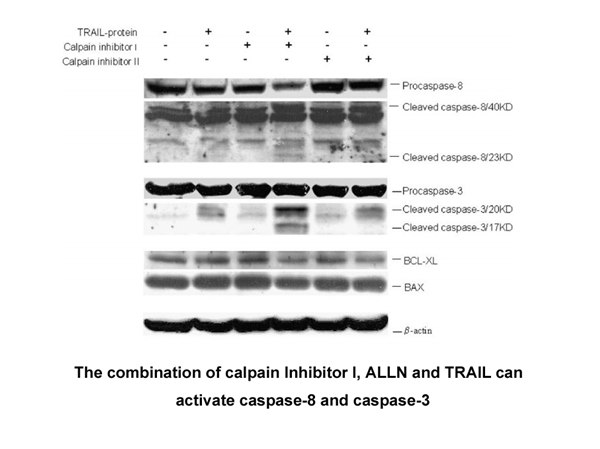
Our analysis has devoted limited attention to the standard corporate tax scheme with deductibility for interest payments that is in place in most countries. A conventional corporate tax scheme offers partial deduction of capital costs, and can be interpreted as a change in the degree of capital cost
-
br Results and discussion br
2024-12-13
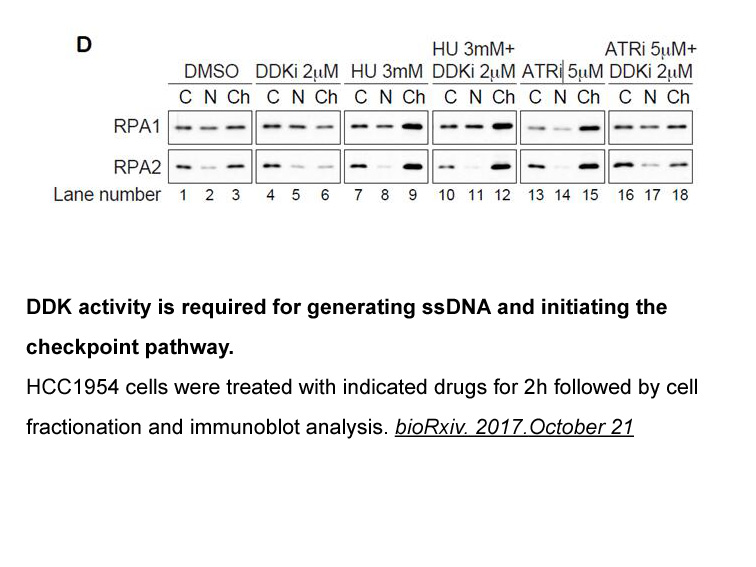
Results and discussion Conclusions In this report we present the synthesis, structure determination, and the in vitro and in vivo evaluation of a series of new quinone analogues aiming to find novel lead structures for the development of 5-LO inhibitors. Our findings support that also the hydr
-
17-ODYA Introduction Cancer which is responsible for
2024-12-13
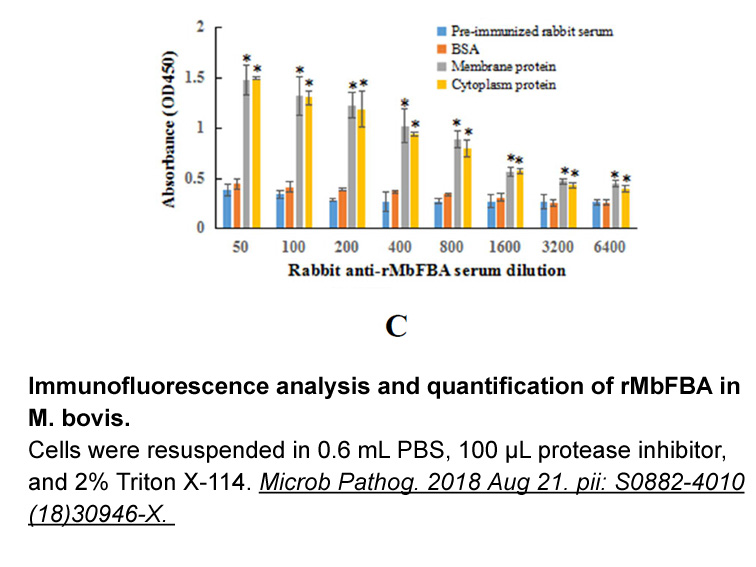
Introduction Cancer, which is responsible for a million deaths each year, is universally feared, and approximately 50% of newly diagnosed cases can be cured [1]. The existing cancer treatments, including surgery, chemotherapy, radiotherapy or a combination of them, are quickly losing efficacy. The
-
MGCD0103 mg The synthetic route for the
2024-12-13
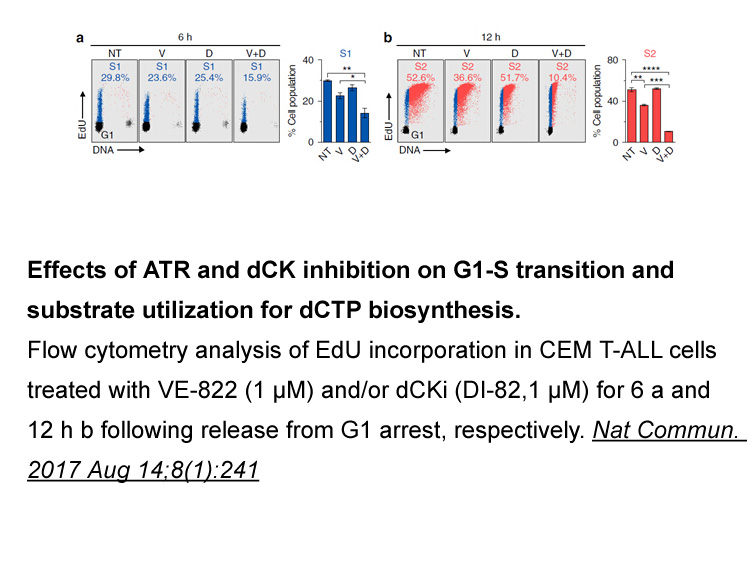
The synthetic route for the aminobenzoxazole scaffold with a solvent accessible moiety is described in . Nitration of methoxyphenol and subsequent hydrogenation of the resulting nitro MGCD0103 mg afforded compound . Aminobenzoxazole was formed by the reaction of compound with BrCN in EtOH. The solve
-
Production of reactive oxygen species ROS during RSV infecti
2024-12-13
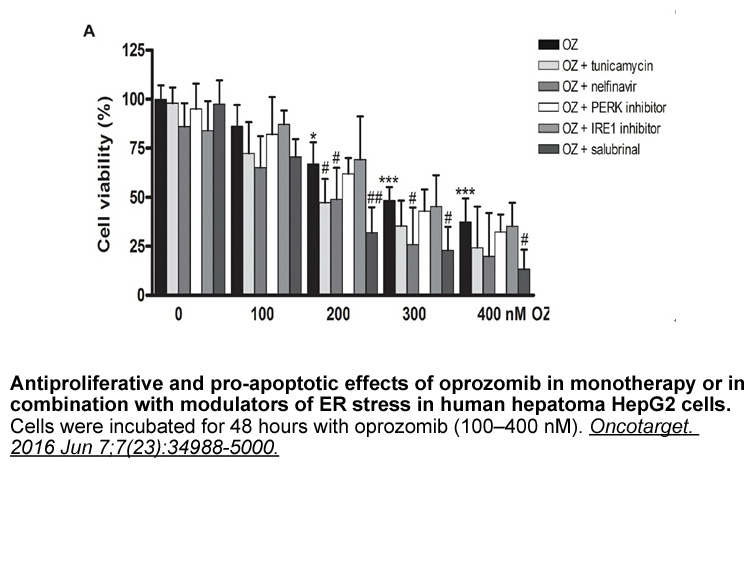
Production of reactive oxygen species (ROS) during RSV infection is one the important ways that neutrophils can injure the lungs [2], [24], [25]. Lipoxygenases are considered as an important source of producing ROS inside the hiv protease [26]. Several studies have indicated that the 12/15-LOX is a
-
LY2784544 synthesis br Acknowledgments br Introduction Human
2024-12-13
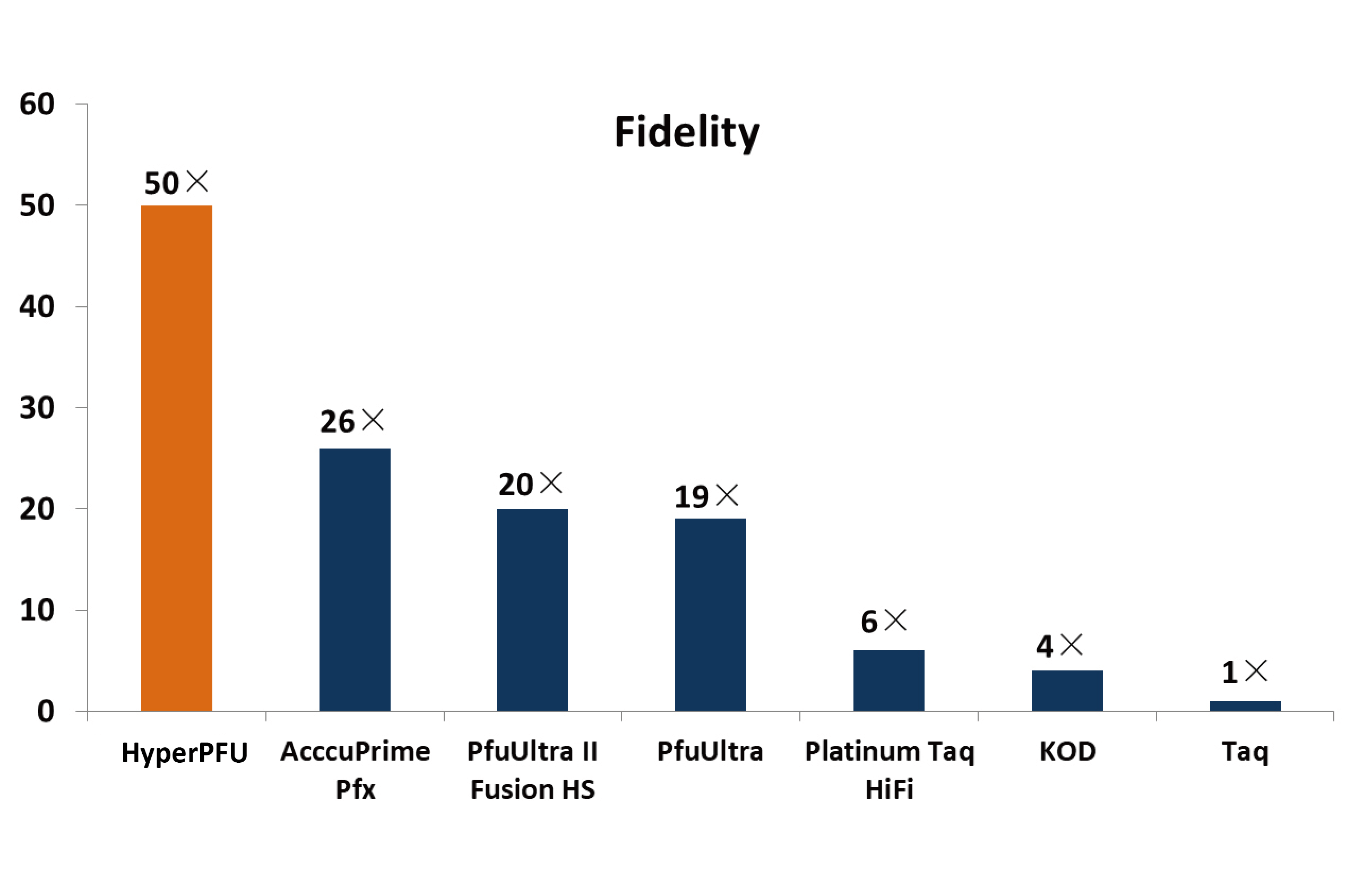
Acknowledgments Introduction Human innate immune system provides first line of defense against multiple viral or bacterial attacks, and provides critical surveillance against oncogenic development. Evidences show that individuals with primary immunodeficiency or induced immunosuppression durin
-
Furthermore low affinity sites that share no
2024-12-13

Furthermore, low-affinity sites that share no structural homology with the aforementioned sites have been described in the transmembrane domain. It has been discovered that, in α1βγ2 receptors, potentiation of GABA-activated currents by high concentrations of diazepam is biphasic, with a high- and a
-
Somatostatin analogs also bind to somatostatin receptors It
2024-12-13
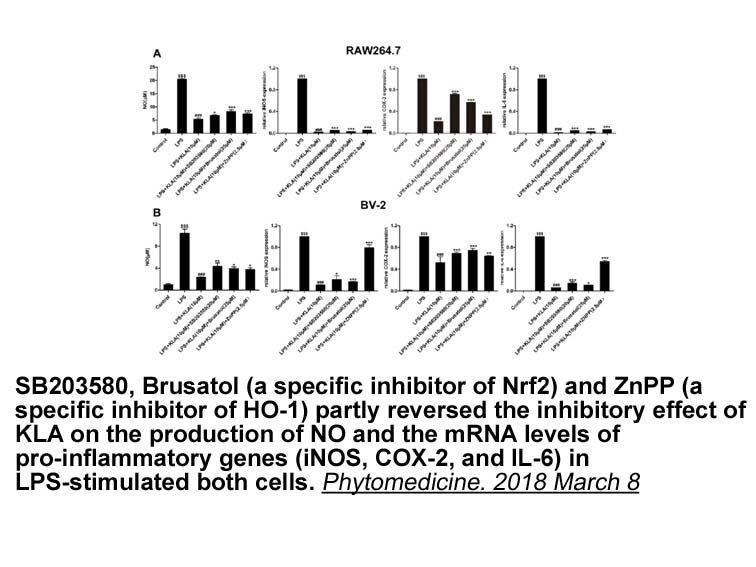
Somatostatin analogs also bind to somatostatin receptors. It has been reported that octreotide has a high affinity for hSSTR2, moderate affinity for hSSTR3 and hSSTR5, and does not bind to hSSTR1 or hSSTR4 (Ben-Shlomo and Melmed 2008). Compared to octreotide, pasireotide displays 40-, 30-, and 5-fol
-
br Materials and methods br Results and discussion
2024-12-13
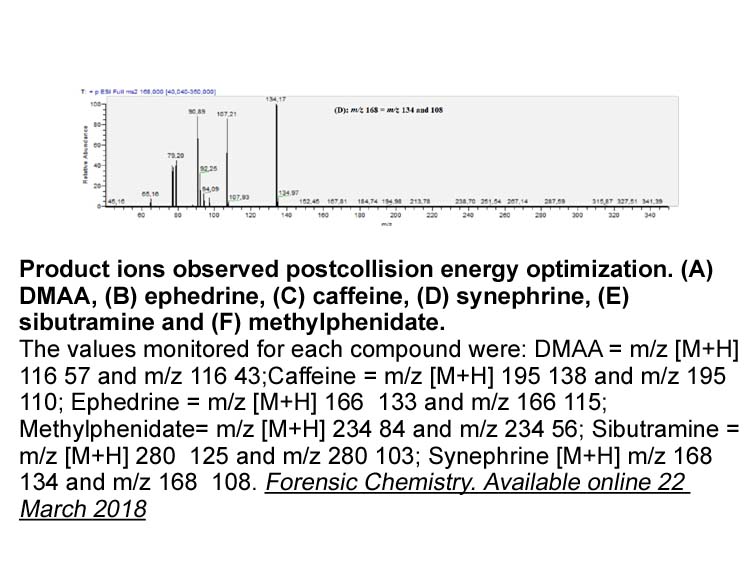
Materials and methods Results and discussion During recent years, recombinant ASK1 has been obtained by expensive baculovirus-insect cell GSK 2837808A systems [20], [27]. In the present study, we constructed recombinant ASK1 and expressed in active form at high level in E. coli. Human ASK1 c
-
acetylcholine receptor Secondly leptin has been shown to enh
2024-12-13
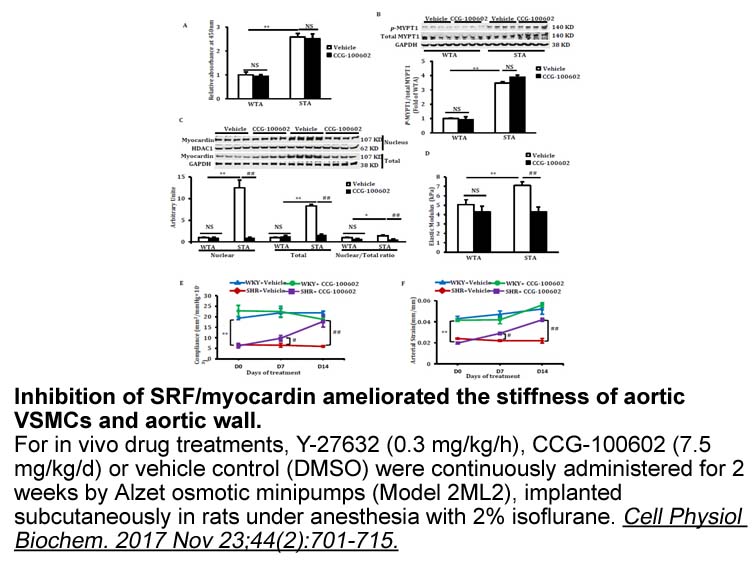
Secondly, leptin has been shown to enhance aromatase mRNA expression, aromatase content and its enzymatic activity in epithelial breast cancer acetylcholine receptor by inducing promoters II and I.3 via an enhanced binding of transcription activator protein 1 (AP-1) complex to specific DNA sites in
-
br Epidemiology br Genetics The dominantly inherited PrP cer
2024-12-13
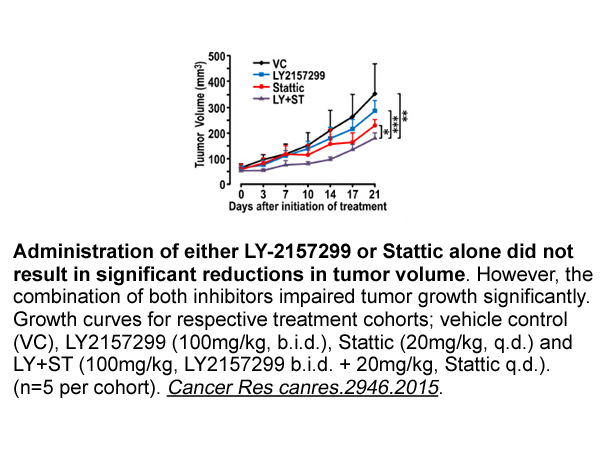
Epidemiology Genetics The dominantly inherited PrP cerebral amyloidoses are genetically transmitted with a penetrance of almost 100%. Early linkage analysis studies helped to established the relationship between GSS and mutations in the PRNP gene. PRNP is located on the short arm of chromosome
-
Finally impaired endothelial integrity culminates in
2024-12-13
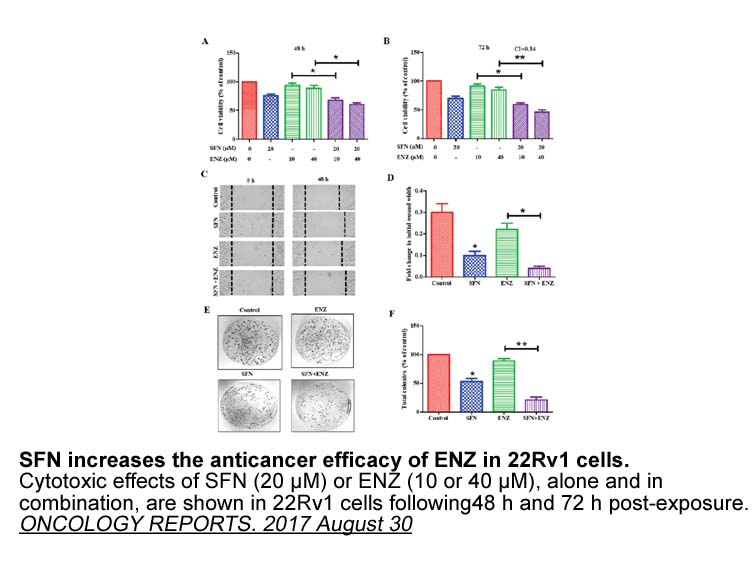
Finally, impaired endothelial integrity culminates in an increased plasma protein concentration in the interstitial space, and thus accumulation of fluid in the ECM, favoring the swelling of the face and limbs [2] mainly. Concurrently with this systemic change, there is intense activation of coagula
-
Fenofibrate synthesis br Telmisartan Telmisartan is one of t
2024-12-13
Telmisartan Telmisartan is one of the widely used antihypertensive agents, which has demonstrated favorable safety and tolerability profiles, both alone and in combination therapies. It has a number of pharmacological properties that distinguish it from other ARBs—the longest plasma half-life, hi
8138 records 74/543 page Previous Next First page 上5页 7172737475 下5页 Last page